Direct Sowing
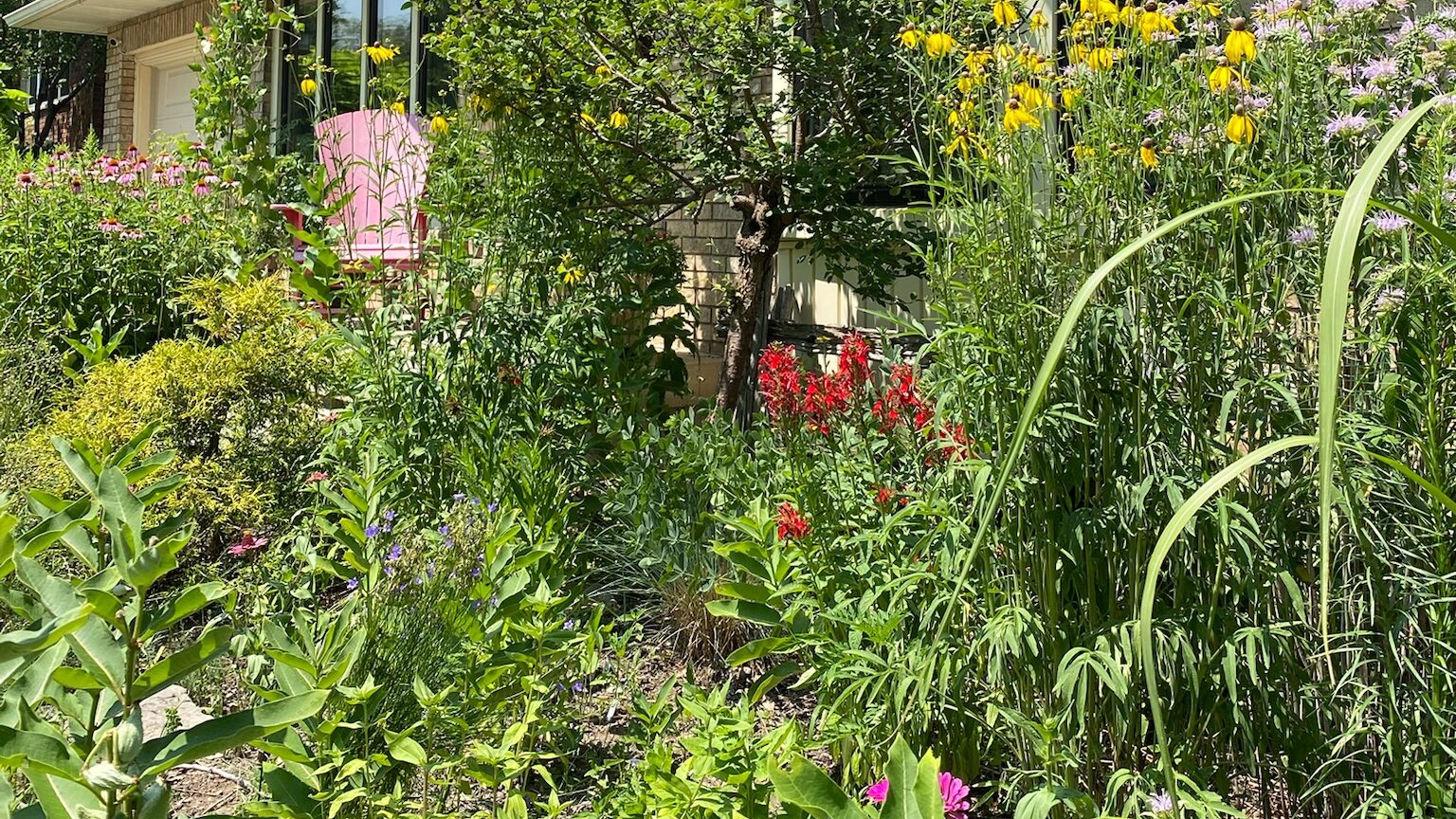
Direct sowing is a great way to add native plants into your garden which will help create a thriving ecosystem in your garden. Instead of growing plants from seedlings indoors and transplanting them out when they are large enough, you would plant the seeds directly in the ground. This can be done at different times of the year based off the specific plants needs. A lot of native plants in our area require a period of cold moist stratification. This means the seeds need to be moist and the temperature should fluctuate and stay cold for a certain amount of time. If your seed package indicates that it is suitable, you might consider direct sowing it in late fall. While many native seeds can be planted directly in late fall, there are also numerous seeds that can be planted in early spring.
Benefits
There are quite a few benefits of direct sowing. It is an excellent way to diversify your garden and will benefit the pollinators in the long run. Here are a few reasons you should try direct sowing native seeds in your garden:
Cost Effective: Direct sowing is probably the cheapest way to add new plants on your property. You don’t have to worry about the cost associated with growing plants indoors, or purchasing plants from a nursery. The upfront cost of the seeds is all you need to purchase.
Easy: By directly sowing you take out all the extra steps of growing plants from seed. You just have to plant the seeds at the correct time and nature will do the rest for you. No need for a greenhouse, extra soil, pots, transplanting. This alone might make you want to try it out.
No Transplanting: When plants are grown directly in the ground there is no need to transplant them. Transplanting can cause shock to the plants and can kill them. Not having to move plants around takes the stress off the plants and can lead to healthy young plants. There are some plants that should not be transplanted at all because they will not survive the transplant shock, these are often plants with long tap roots.
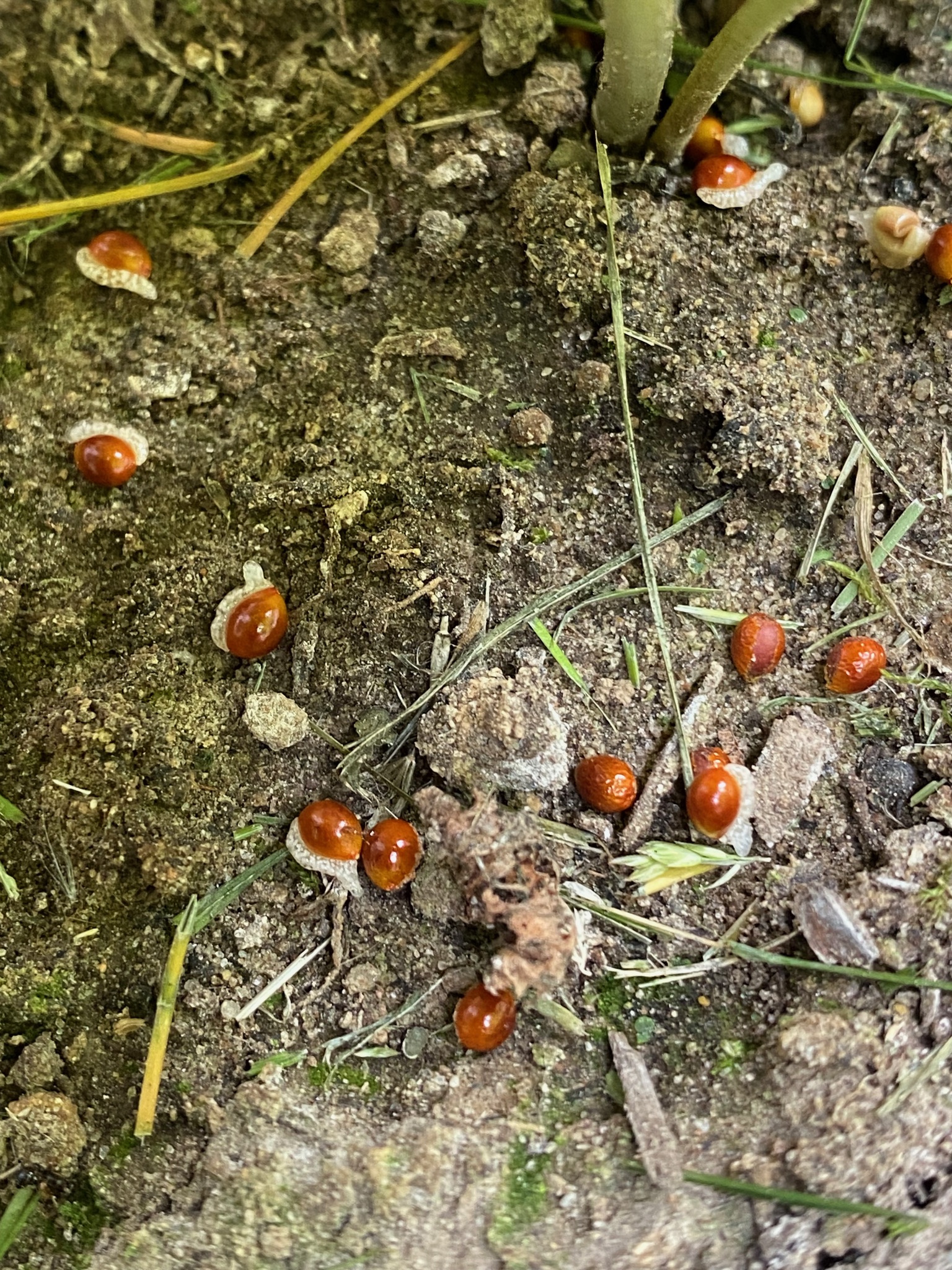
Strong Roots: When you sow seeds directly in the ground the plants will grow stronger root systems. Not having to move them around and giving them unlimited soil space will help their roots grow a lot stronger which leads to a high success rate.
Sustainable: Direct sowing is a sustainable way to grow new plants in your garden. You don’t have to use artificial lighting and extra water throughout the winter to grow plants. Let nature do the work for you.
Drawbacks
While direct sowing seeds has numerous advantages, it’s worth noting a few potential challenges to help you prepare and avoid surprises.
Foot Traffic: If you share your space with children or pets, they may unintentionally trample over your planting area. This could disrupt the seeds, pushing them too deeply into the soil or scattering them away from their intended spots. To prevent this, consider fencing off the area or creating a clear boundary to keep little feet (and paws) at bay.
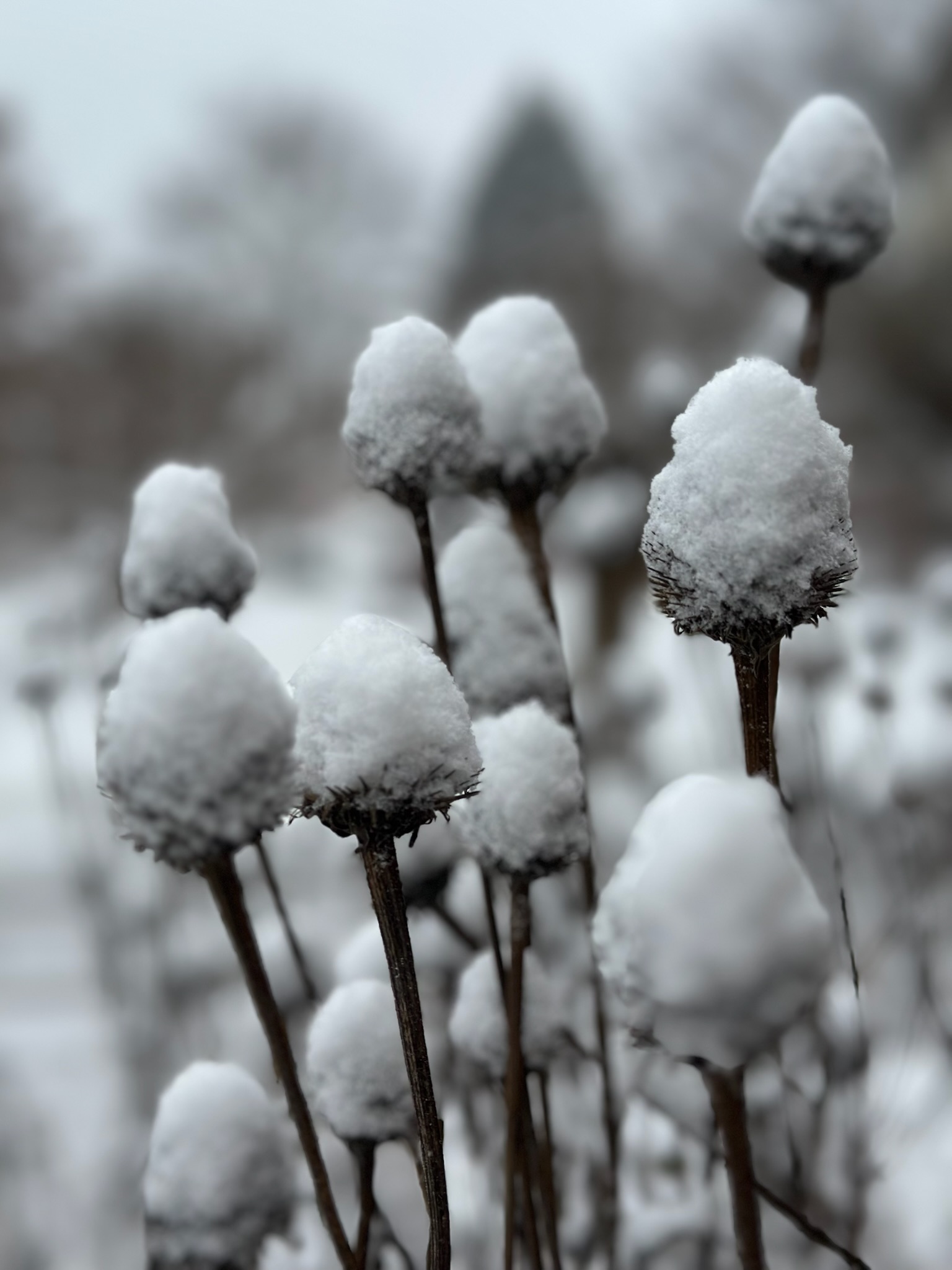
Wildlife: Garden visitors like squirrels or mice might see your seeds as a convenient snack—food is scarce in the winter months, after all, and who can blame them? While we may understand their struggle, it can still be frustrating when they interfere with your planting efforts. While a blanket of snow can sometimes deter them, it’s not always reliable. To protect your seeds, try fencing the area or leaving seed heads on established plants as an alternative food source for wildlife, reducing their interest in your freshly sown seeds.
Surface-Sown Seeds: Some seeds are tiny or need exposure to light to germinate, making them vulnerable when direct sown. They might blow away or be displaced by weather conditions. For such seeds, you may want to explore alternative sowing methods to ensure better control and monitoring as they germinate.
By being mindful of these potential drawbacks, you’ll be better equipped to make your direct sowing efforts as successful as possible!
How Does It Work?
Some seeds require an extra pre treatment before they are planted. These treatments are to break the seed coats that keep them dormant. These methods consist of soaking in water, changing the temperature, or even scarifying the outside of the seeds. Surprisingly, in some countries some seeds need to pass through an animal’s digestive system to germinate. For example, seeds like Juniper and Holly often need to pass through a bird’s digestive system to germinate. To mimic this process at home, these seeds should be treated with an acid, most commonly sulfuric acid. However, this method is potentially dangerous and not recommended for home use.
Plants will all have different ways their seeds need to be treated prior to their germination. It is important to look into this before you sow your seeds. This information should be on the seed packets.
Direct sowing is putting the seeds through the natural process of stratification. This exposes seeds to the temperature fluctuation in the winter, the moisture, and the potential foot traffic needed. If you choose to sow your seeds indoors and transplant out, you have the extra work of mimicking these natural occurrences. You might need to place the seeds in a soilless mixture and switch is back and forth between the freezer and fridge. Or you will have to use sandpaper to scarify the seeds. Direct sowing takes away the extra work and nature does this for you.
Selecting Plants
Not all plants can be directly sown. It’s essential to research the specific plants you want to grow and ensure they are suitable for direct sowing. Fortunately, many native plants thrive when sown directly, as this mimics their natural growing conditions. However, some plants require a specific environment, in such cases, it’s best to start these plants indoors and transplant them outdoors later.
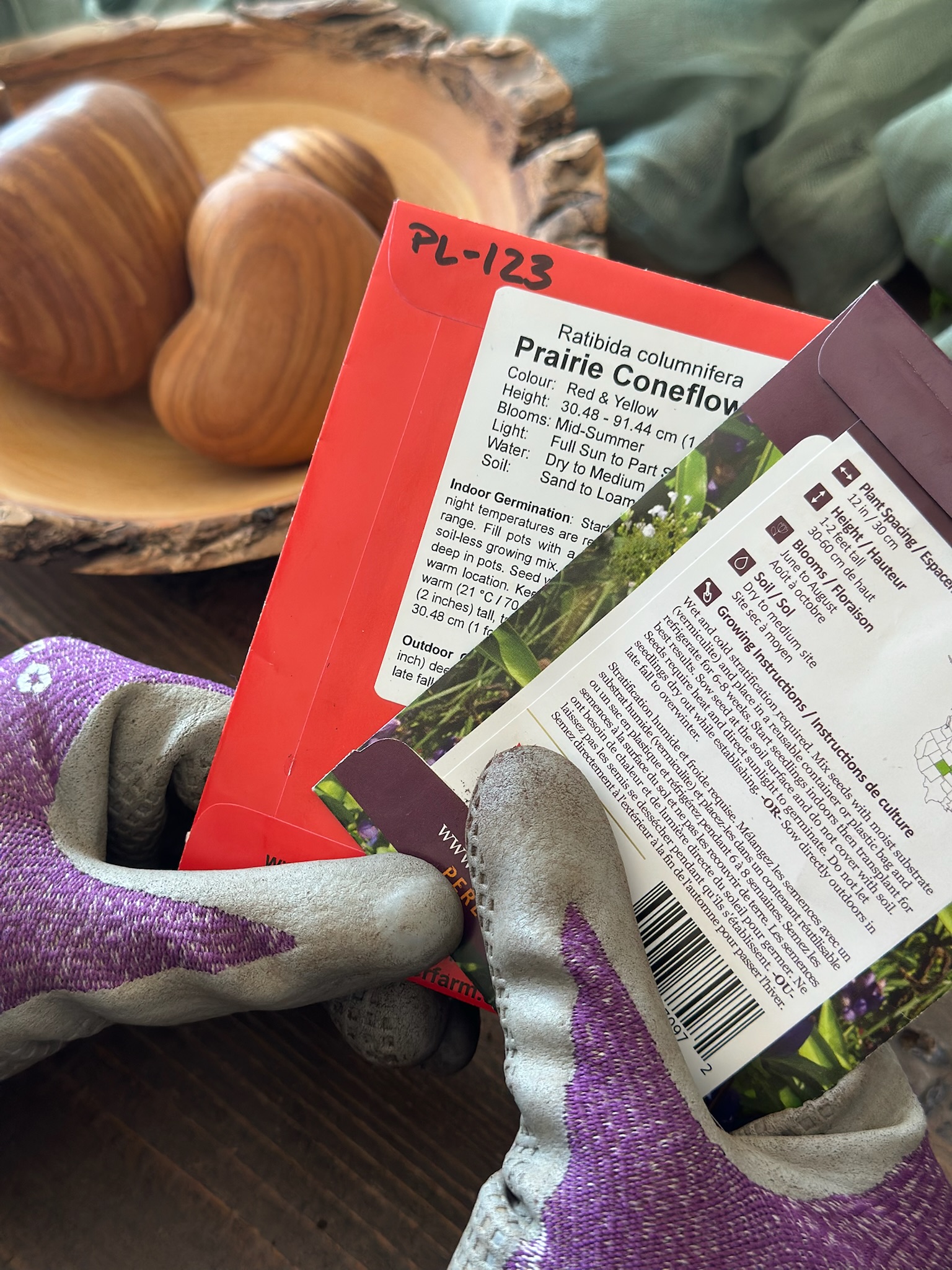
When selecting your plants to direct sow you can look on the seed packages for guidance. They might say “sow directly outdoors in a prepared seedbed in late fall” or “sow directly outdoors in a prepared seedbed early spring”. Your seed packages might also have a germination code. These codes will translate to the different ways you can treat your seeds.
How To Direct Sow
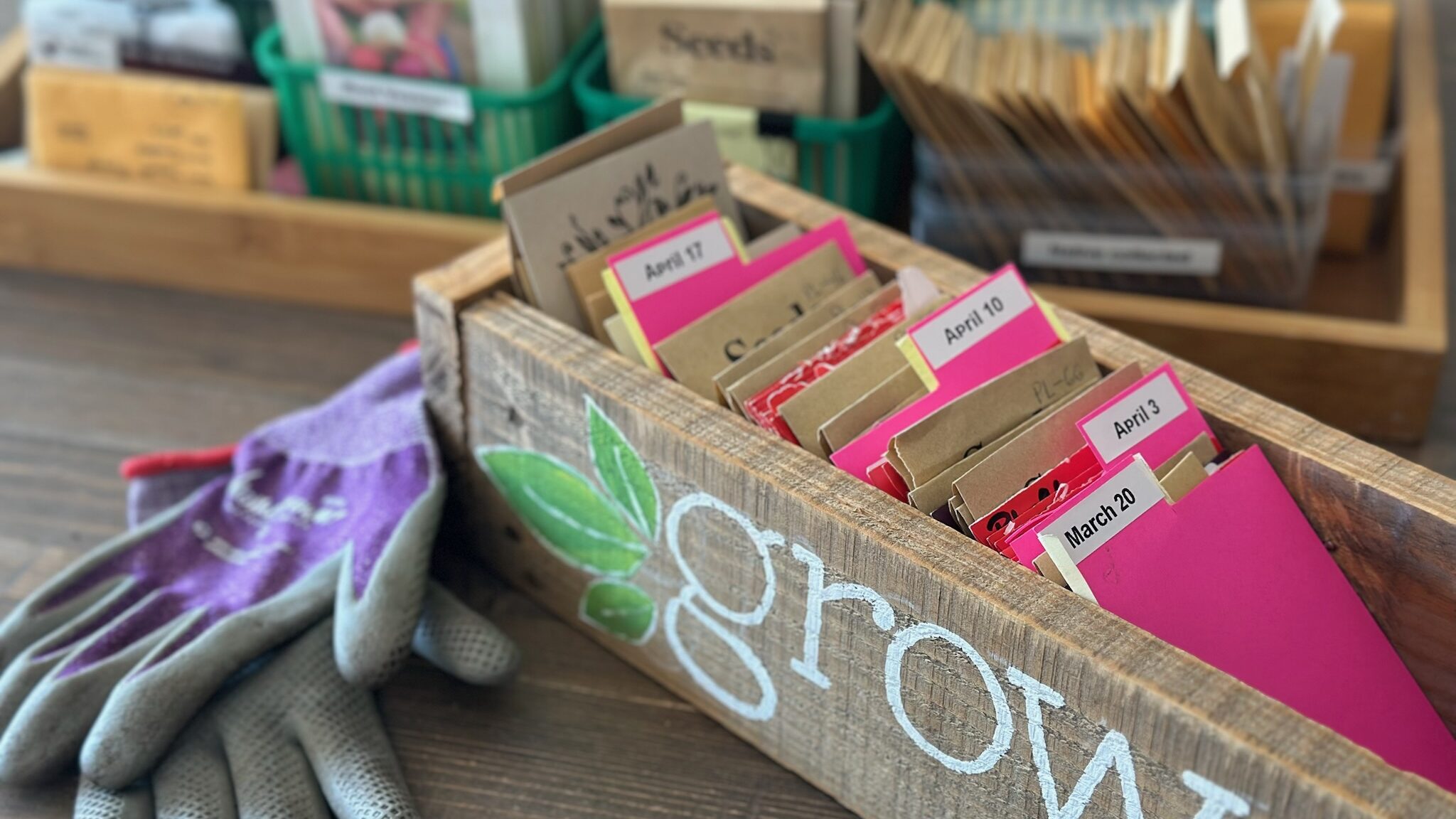
Choosing the Time: The best times for direct sowing native seeds is early spring or late fall. This depends on your location and the plants you will be sowing.
Site Selection and Planning: Knowing where exactly you want these plants to go is important because it is hard to make changes after all the steps are complete. Make sure to think ahead and choose plants that will do well in this location (sun, water, soil, size). Plan the layout ahead of time so you don’t make any mistakes that will affect the health of your plants.
Plant Selection: Selecting your plants is one of the first decisions you need to make for direct sowing. You can read more above on plant selection. Your plants should be selected based off of your growing conditions. Planting a plant that requires full sun in a shady location will almost guarantee the failure of this plant.
Prepare the Site: Clear and weeds from the area you are planning to use. You can lightly till the top layer of soil and make it soft so the seedlings will have an easier time spreading roots.
Sow the Seeds: After working out the location, timing, and plant types, you are ready to sow the seeds. Before starting it’s crucial to read the labels. Different seeds have specific growing conditions, and to successfully germinate them, you need to know precisely what they require. For example, some seeds need light to germinate, so they must be surface sown.
The depth at which you plant seeds can also vary greatly. Some seeds require specific temperatures to germinate, and many wildflower seeds need to be planted outdoors over winter to experience frost, which is essential for their spring germination. Additionally, some seeds benefit from being soaked in water before planting. Therefore, it’s crucial to do your research before you start!
If you acquired your seeds from a friend or your local a seed library and don’t have information on planting depth or germination, try to find the germination code online. If you can’t find it, a good rule of thumb is to cover the seeds with soil to a depth equal to the thickness of the seed. For very small seeds, they are likely surface sown.
Water: After you are finished planting the seeds you can gently water the area. You want to make sure not to wash away any of the seeds. If you are direct sowing in early spring you should keep the area moist until the seedlings are established. If direct sowing in late fall the seeds will spend the winter dormant and begin to germinate when the conditions are right. Snow will most likely cover the seeds and will keep them moist. When the weather warms up make sure to water as necessary.
Maintenance: As your plants grow you should keep a close eye on them and keep the area clear of weeds that can out compete. If you notice that the seedlings are becoming overcrowded you can thin some of them out. Native plants need to be watered regularly for the first two years until they are established. This is including plants that are drought tolerant as they need deep enough roots before they can survive droughts.