Companion Planting
What is Companion Planting?
Companion planting is a gardening technique where different plants are grown close together to benefit each other in various ways. This method can improve plant health, reduce pest problems, and enhance the overall growth and yield of the garden.
Let’s dive into the benefits of companion planting:
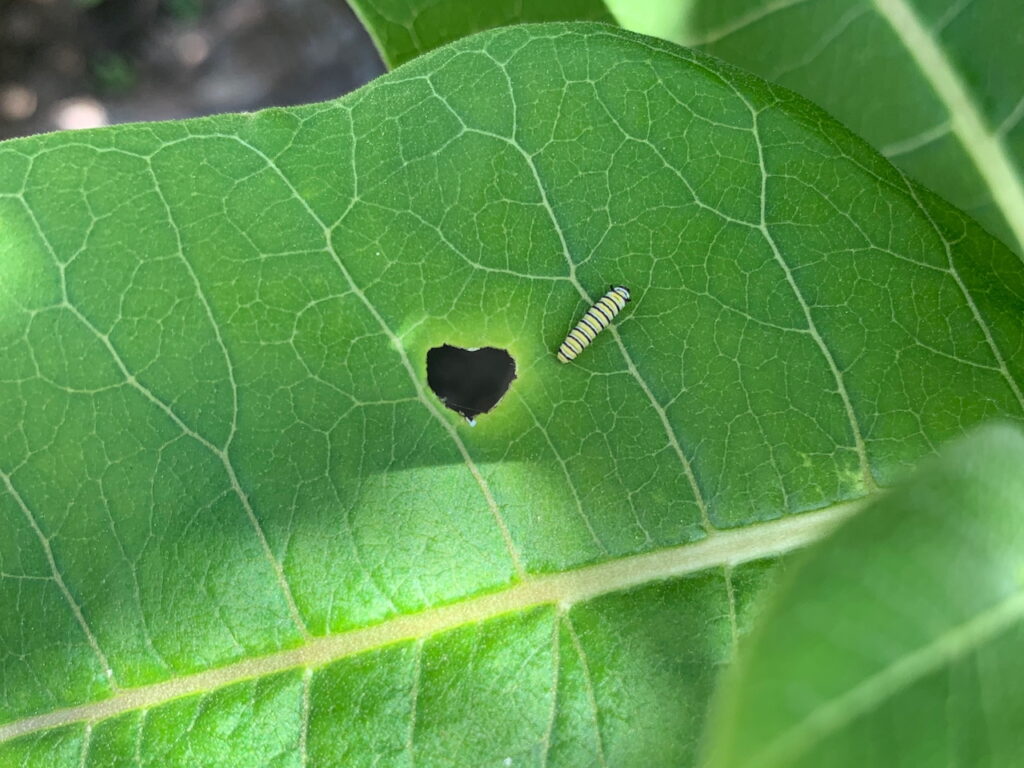
Pest Control: Certain plants can repel pests that might otherwise harm neighbouring plants. For example, Chrysanthemums are known to deter nematodes, while dill rolls out the red carpet for beneficial insects like ladybugs and wasps.
Improved Growth: Some plant combinations can promote better growth by providing shade, support, or nutrients. For instance, the “Three Sisters” method involves planting corn, beans, and squash together. The corn provides support for the beans to climb, the beans fix nitrogen in the soil, and the squash provides ground cover to retain moisture and suppress weeds.
Enhanced Flavour: Some herbs and plants can improve the flavour of neighbouring vegetables. For example, basil planted near tomatoes can enhance their taste. We found carrots flavours changes when planted with onions.
Soil Health: Different plants have varying nutrient requirements and contributions. By planting diverse species together, you can create a more balanced and fertile soil environment.
But does it really work?
Yes, companion planting can be effective. We’ve tried and tested some pairings ourselves, and we’ve seen the magic happen. However, its effectiveness can vary depending on your location, garden conditions, and the specific plants used.
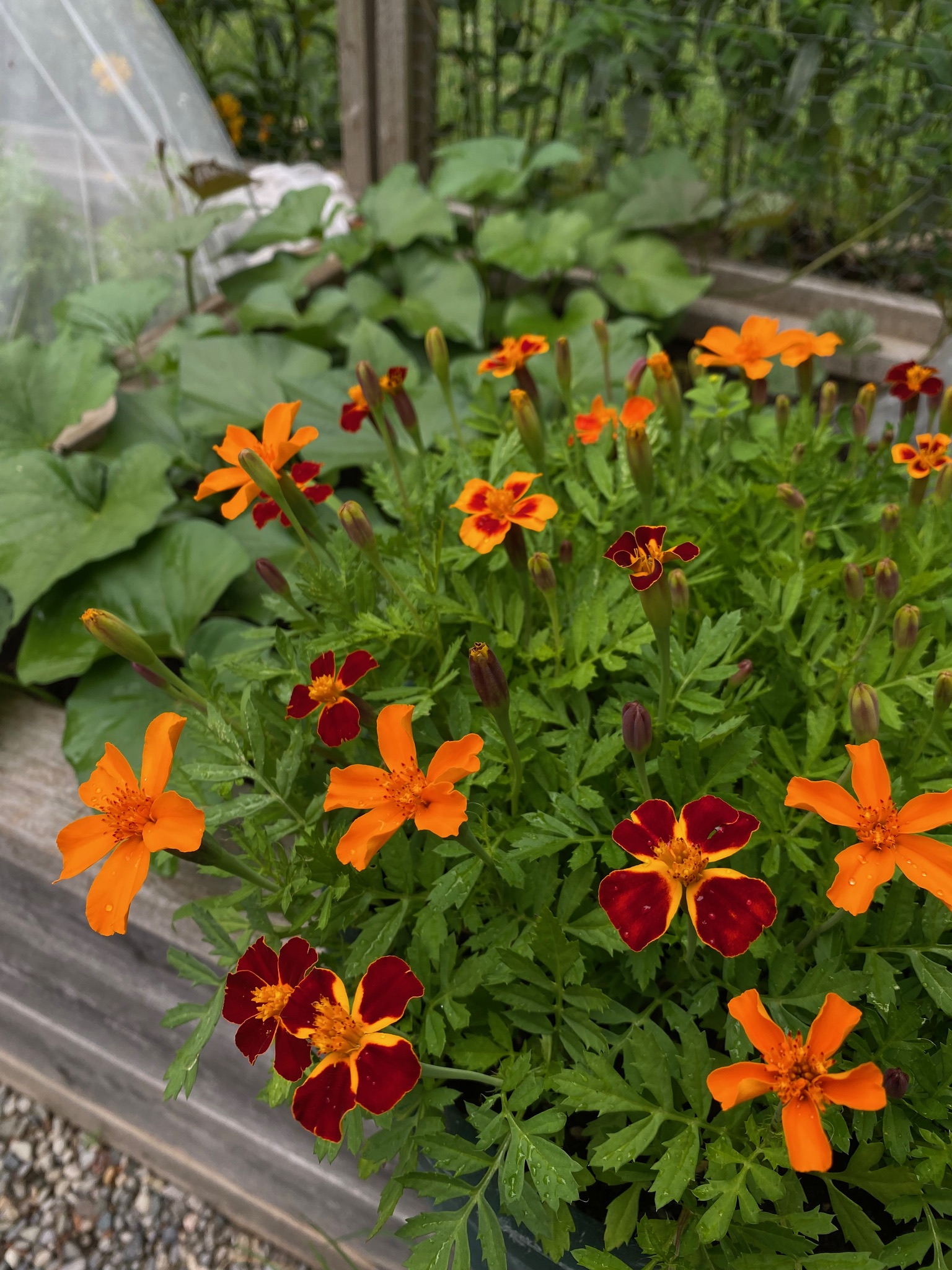
There are scientific studies and plenty of gardener gossip supporting the benefits of companion planting. For example, marigolds release a substance that repels nematodes, which are harmful to tomato plants. And garlic planted near roses helps keep aphids at bay.
While not every plant combination will work perfectly in every situation, trying out companion planting can lead to a healthier and more productive garden. Gardening often involves a bit of trial and error, so testing different combinations can be a fun way to see what works best for your garden.
If you want to give it a go, make sure to research plant compatibilities. Some plants are like frenemies—they just don’t get along. For example, avoid planting beans near onions, as they can inhibit each other’s growth. Tomatoes and potatoes are both susceptible to the same blight, which can spread more easily if grown close together. And watch out for plants that attract the same pests, like snails and slugs with cabbage and strawberries.
How Native Plants Fit Into Companion Planting
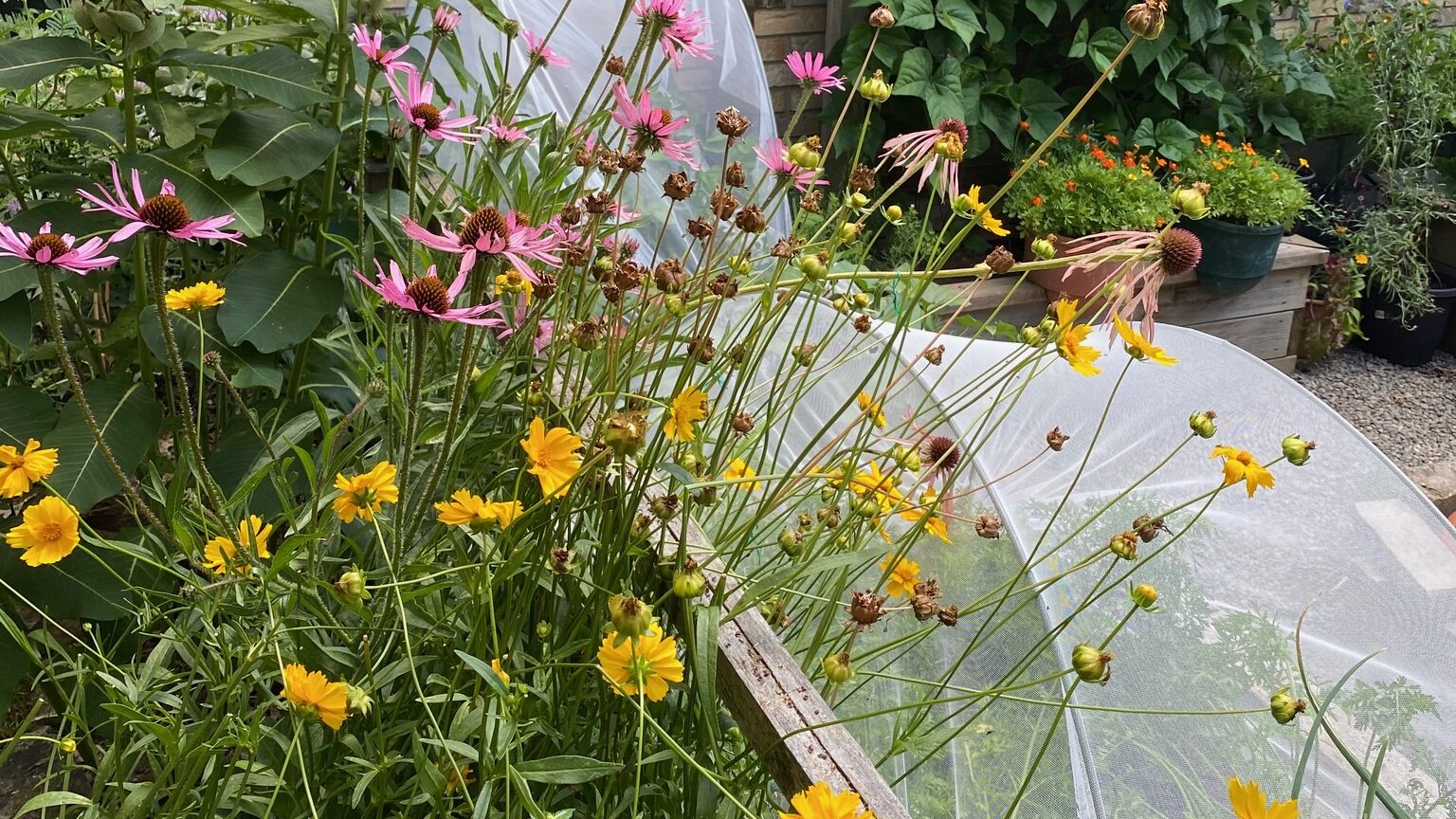
Companion planting becomes even more powerful when native plants enter the picture. Because they’re adapted to local soils, climate, and wildlife, native species naturally support the insects and ecological processes that make companion planting work. They draw in pollinators, shelter beneficial predators, improve soil structure, and help stabilize the garden ecosystem, all of which directly benefit nearby vegetables, fruits, and ornamentals.
If you’re curious about how native plants can actively boost your food garden, we explore this in more detail in our section on Vegetable Companion Planting with Native Plants. There, we share what we’ve learned from hands‑on trials, including how our own harvests tripled once we began pairing crops with the right native species.
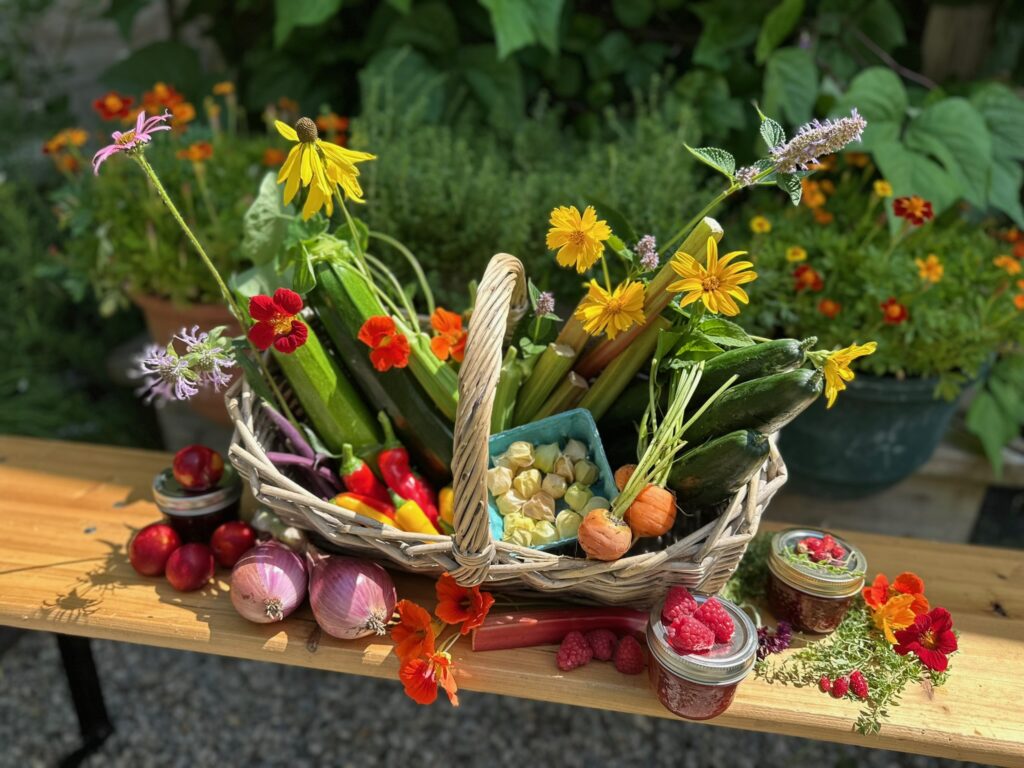
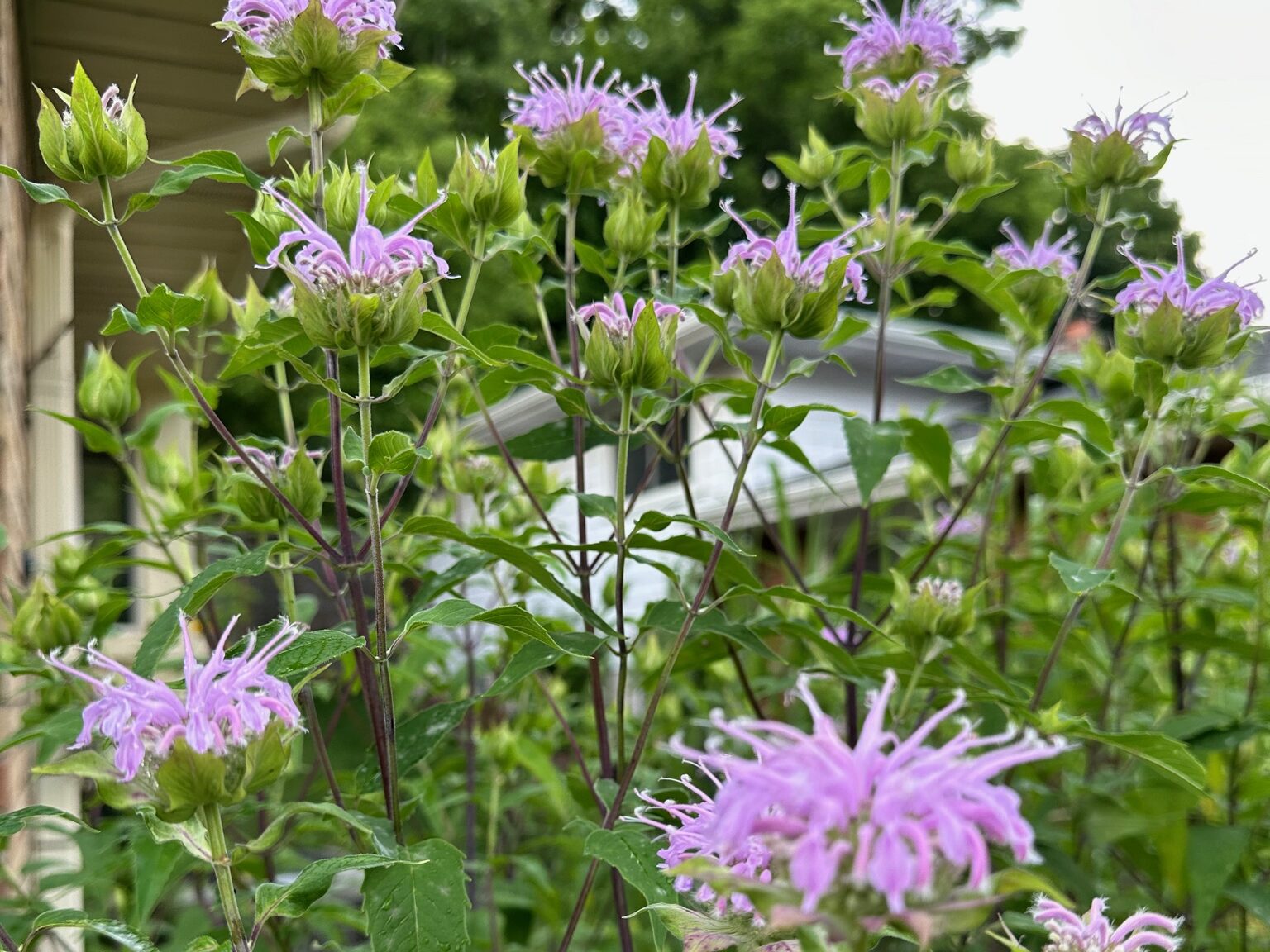
Some native plants are standout companions with unique strengths.Wild Bergamot, for example, is a powerful pollinator plant that attracts a wide range of pollinators and beneficial insects. With its bloom time coinciding perfectly with peak crop pollination needs, Wild Bergamot ensures an abundance of happy pollinators, making it the perfect ally for gardeners. Happy bees lead to thriving gardens!
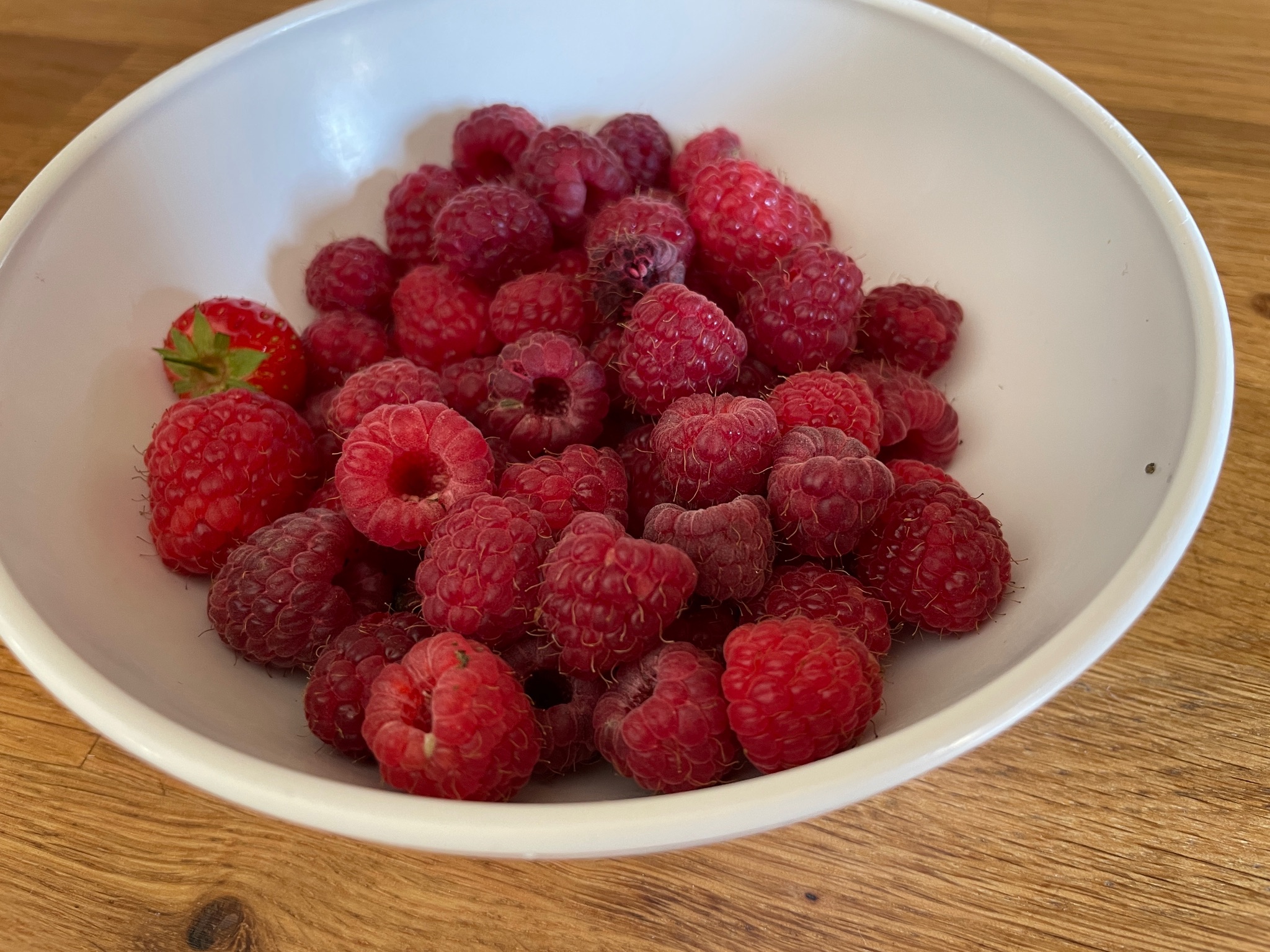
Raspberries offer another powerful case study: they provide both food and nesting habitat for the Small Carpenter Bee, but only when paired with native plants that bloom before, between, and after the raspberry’s own flowering periods. Together, these companion plants create a season‑long support system for native pollinators, a living example of how thoughtful plant communities can anchor a resilient garden.