How to Attract Beneficial Insects
After learning about the importance of beneficial insects in both your garden and the natural environment, you might be wondering how to attract them. Luckily, there are several effective ways to attract these helpful allies. Let’s explore some practical options to create a welcoming habitat for them.
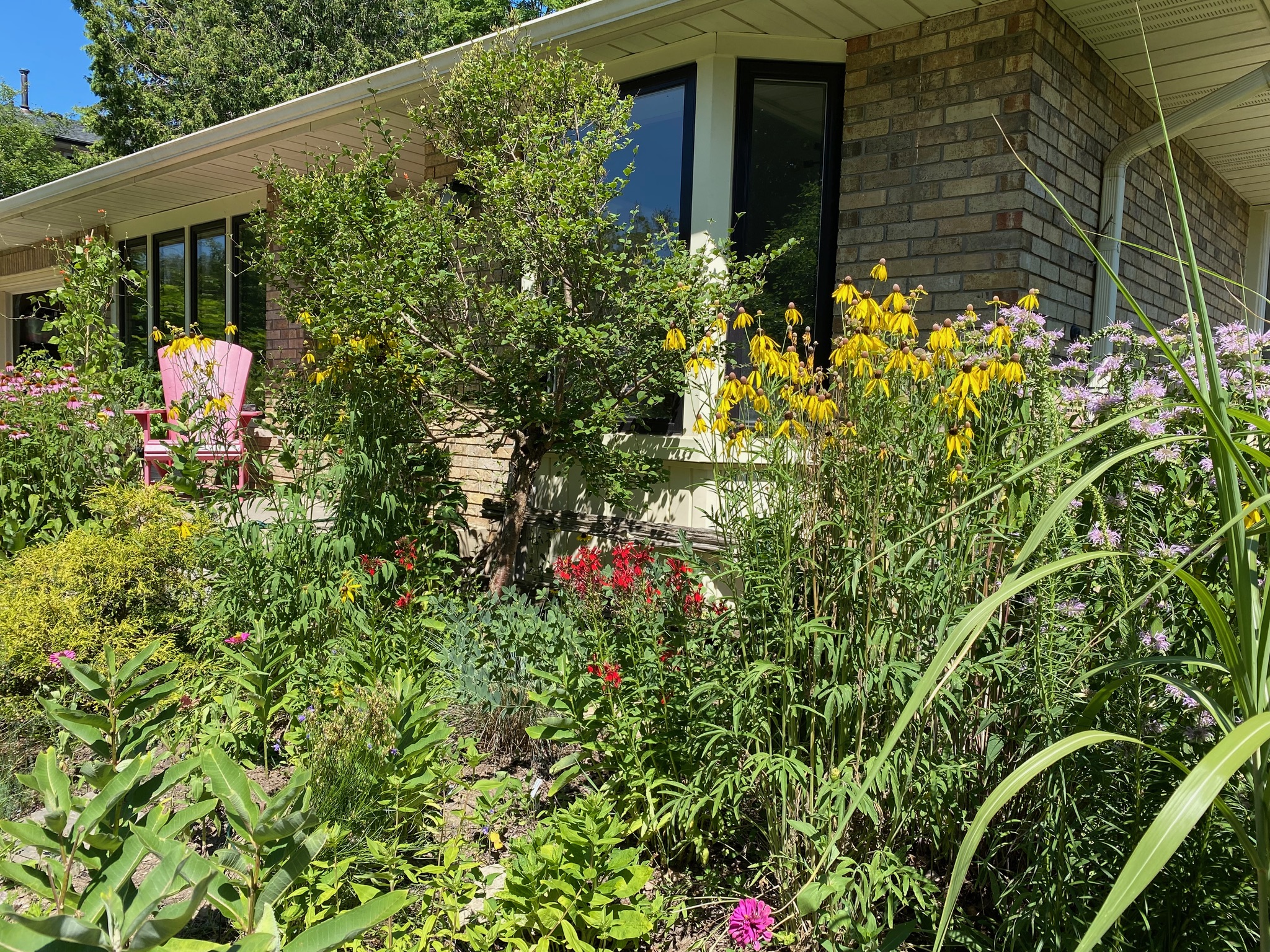
Diversify Your Garden: Attract beneficial insects by planting a wide variety of plants with blooms that stagger throughout the season, ensuring a consistent food source. Provide plenty of hiding spots and include flowers in different colors to appeal to various insect species. Native plants are especially effective, as they serve as the ideal food source for many beneficial insects.
Provide Shelter: Abundant greenery naturally provides shelter, but as summer ends, leave plants standing to support insects through the winter. Avoid removing leaves until after the final spring frost to give them a safe haven. Include hollow plant stems, leaf piles, and rotting logs as excellent spots for insects to hide and lay eggs.
Offer a Water Source: Like humans, insects need water to survive. By providing a water source, you can create an environment that attracts beneficial insects. A simple solution is to use shallow water trays, like the ones from plant pot bases. Adding small stones or similar structures allows insects to safely lower themselves to the water’s surface to drink. This thoughtful addition ensures they can access water without struggling or risking harm, this will also create an easy way for insects to climb out of the water if they fall in.
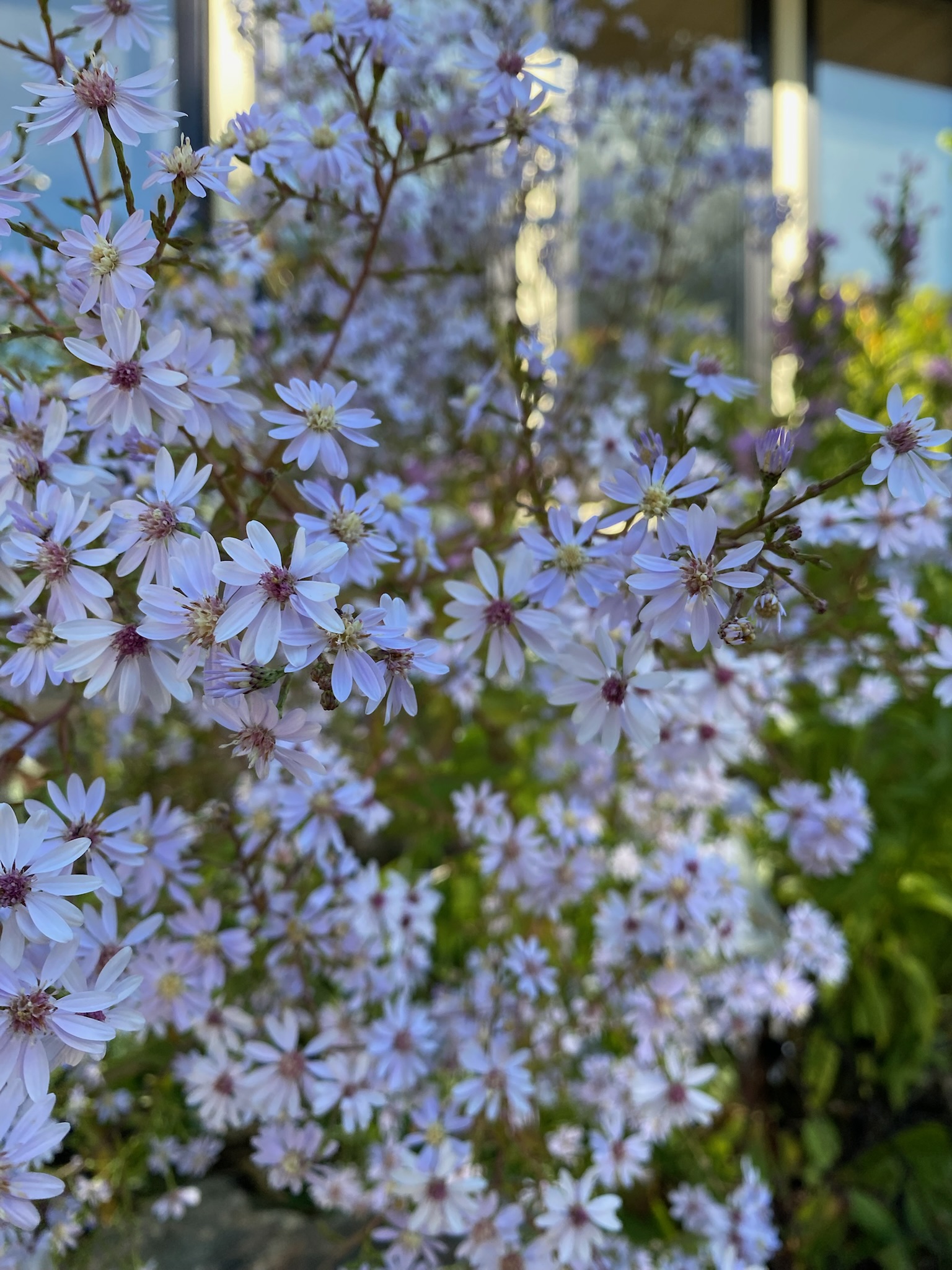
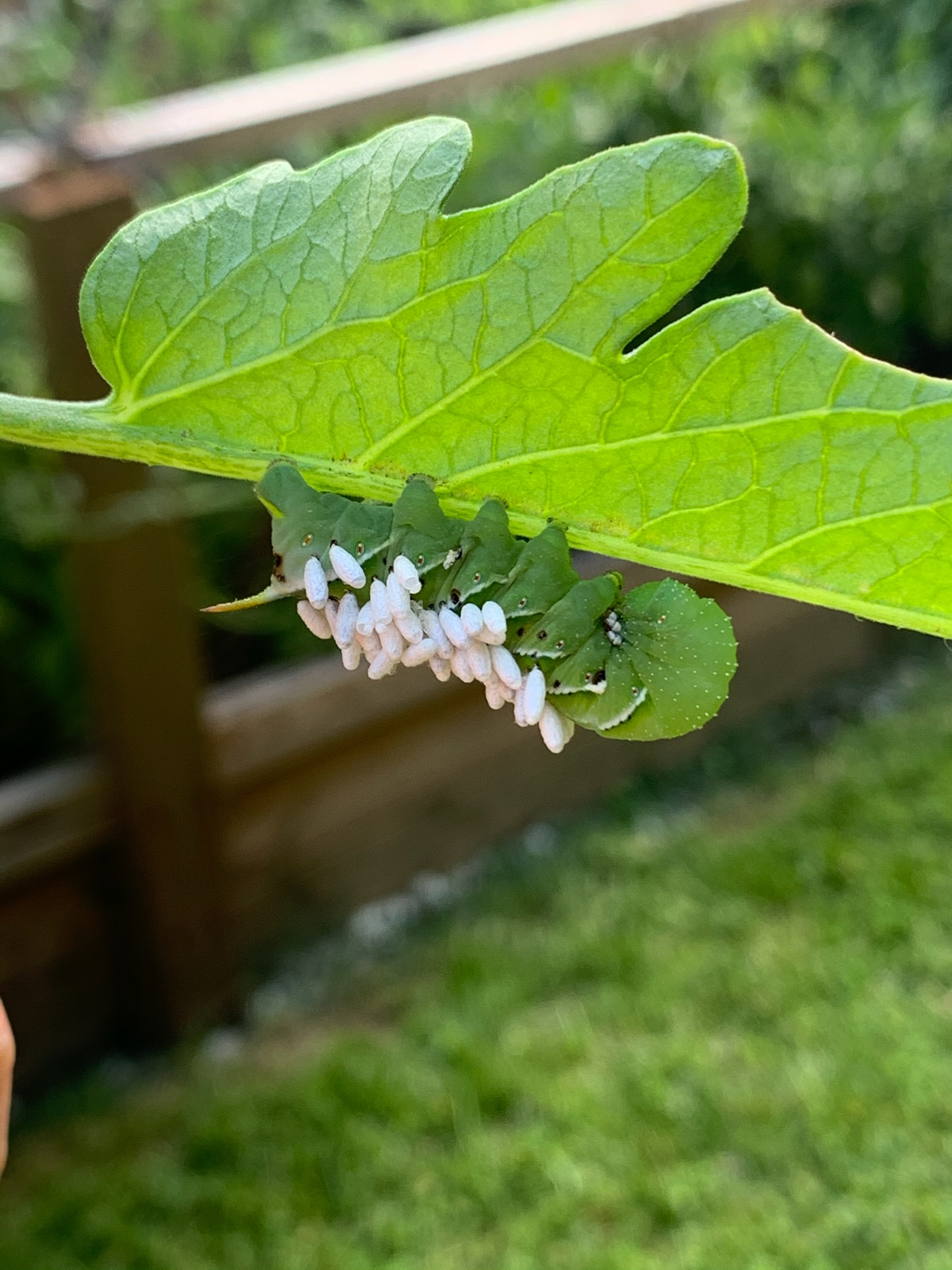
Companion Planting: Companion planting is a strategic method to invite beneficial insects into your garden, fostering plant health. By offering their preferred food sources or nesting habitats, these insects naturally support the ecosystem. A noteworthy example is the Braconid wasp, which targets tomato hornworms. These wasps are attracted to small-flowered plants like Yellow Pimpernel and Golden Alexander, making them ideal companions for tomatoes. When planted nearby, these flowers provide essential nourishment for adult Braconid wasps. Tomatoes, and other plants in the nightshade family, emit chemical signals known as volatile organic compounds when under attack by herbivorous insects. These signals act as a beacon for parasitic wasps, guiding them to their prey. Braconid wasps lay their eggs inside the hornworms, and their larvae consume the caterpillar from within. This natural predator-prey cycle effectively reduces herbivore populations, safeguarding your plants from further damage.
Reduce Artificial Lighting: Artificial lighting can interfere with insects’ natural behaviours, including navigation, mating, and feeding. If you can’t leave your outdoor lights off, reduce the impact on nocturnal insects by consider using soft, motion-activated outdoor lighting. This approach minimizes disruptions while still providing necessary illumination.
Avoid Chemicals: To maintain a natural and thriving garden, it’s best to avoid using chemicals, particularly pesticides and herbicides. These substances can harm the environment and unintentionally kill species beyond the intended targets. Instead, focus on creating a safe haven for beneficial insects. These helpful allies serve as a natural alternative to chemical pesticides by effectively managing pests and promoting a healthy, balanced ecosystem.